BPC-157
The recovery and gut-health research staple.
$59.99 30% off
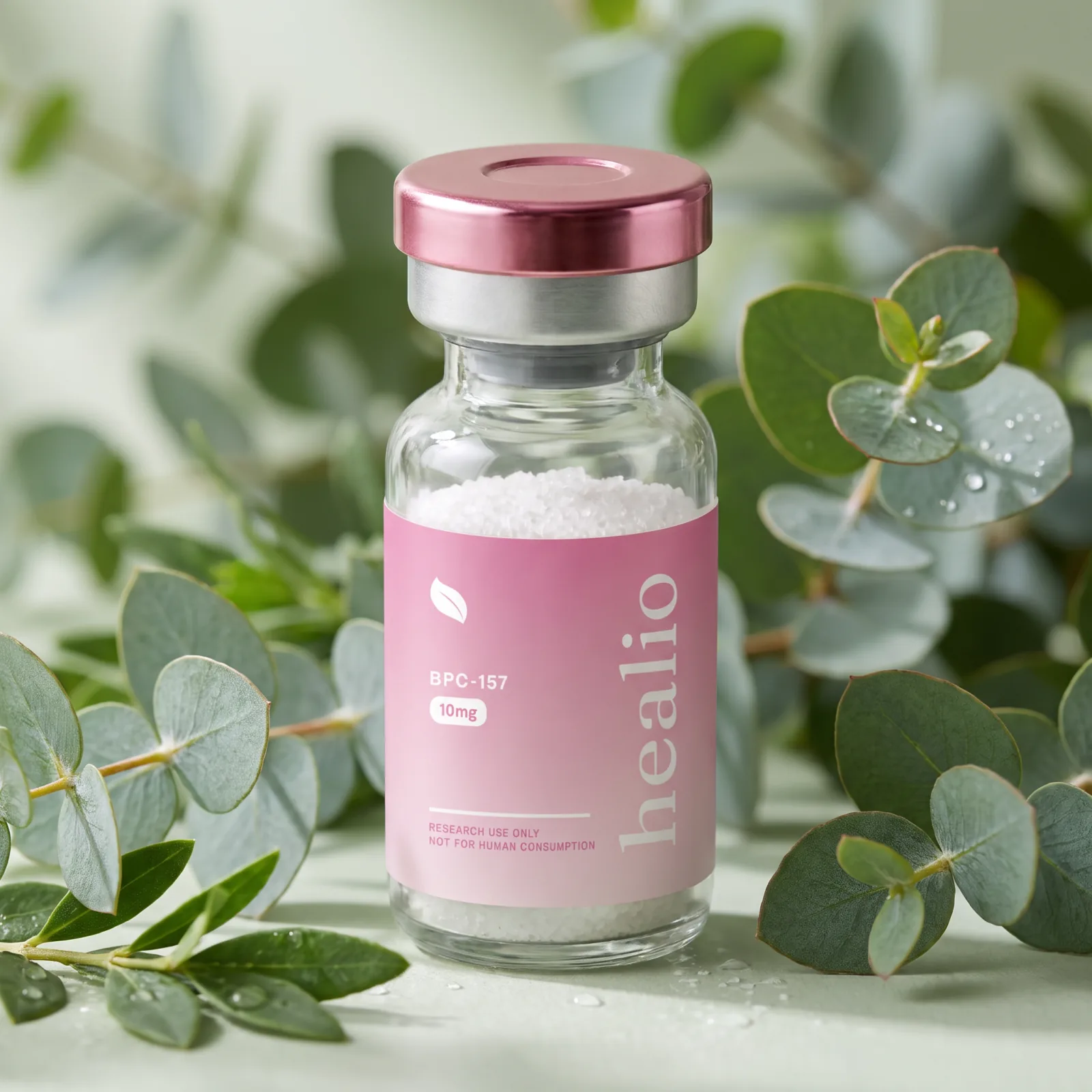
BPC-157 is a synthetic peptide derived from a protein found in gastric juice. It is one of the most popular research peptides for tissue repair, gut-lining and inflammation studies.
What is BPC-157?
BPC-157, short for Body Protection Compound 157, is a synthetic pentadecapeptide: a stable fragment of a protein found naturally in human gastric juice. It is the single most researched compound in the tissue repair category and the one researchers ask about most when looking for where to buy BPC-157 at a verifiable purity.
The sequence is a partial fragment rather than a full protein, which is what gives it stability in solution and makes it practical to work with in a laboratory setting.
BPC-157 research applications
The published literature concentrates on tendon and ligament healing, gastrointestinal lining integrity, and angiogenesis, the formation of new blood vessels. That last mechanism does much of the explanatory work: better vascularisation at a repair site improves delivery of everything a healing process requires.
It is worth being precise about the evidence. Almost all of this research is preclinical, conducted in cell culture and animal models. It is substantial, consistent and genuinely interesting, and it is not the same as controlled human trial data, which does not meaningfully exist for this compound.
How BPC-157 works
Research describes several proposed mechanisms operating together. The angiogenic effect appears to involve VEGF signalling pathways. There is work on growth factor receptor expression in tendon fibroblasts, and separate research on nitric oxide system interaction. In gastrointestinal models the focus is on mucosal integrity.
Its notable practical characteristic is stability. BPC-157 resists degradation in gastric acid, which is unusual for a peptide and one reason it has been studied across a wide range of model systems.
Where to buy BPC-157: specifications
| Specification | Detail |
|---|---|
| Compound | BPC-157 (Body Protection Compound 157) |
| Class | Synthetic pentadecapeptide |
| Form | Lyophilized powder, sealed vial |
| Purity | Minimum 98%, verified by HPLC |
| Identity | Confirmed by mass spectrometry |
| Testing | Independent third-party laboratory, per batch |
| Origin | Shipped from the United States |
BPC-157 and TB-500 together
These two are studied as a pair more often than either is studied alone, because the mechanisms are complementary rather than overlapping. BPC-157 research emphasises blood vessel formation at the repair site. TB-500 research emphasises cell migration and actin regulation, which is about getting repair cells to that site and organising structural proteins once they arrive.
Healio supplies the two together, alongside GHK-Cu, in the GLOW 70 blend, and with KPV added as well in KLOW 80. The research behind the pairing is covered in our guide to peptides for recovery.
Reconstitution and handling
BPC-157 ships lyophilized and is reconstituted with bacteriostatic water before use in solution. Introduce the diluent slowly down the inside wall of the vial rather than directly onto the powder, and allow it to dissolve without agitation. Peptides degrade under shear force, so do not shake. Bacteriostatic water is stocked separately.
Storage and stability
Lyophilized BPC-157 is stable long term at minus 20 degrees Celsius in the sealed original vial, protected from light. Reconstituted solution requires refrigeration and has a substantially shorter usable window. Avoid repeated freeze and thaw cycles.
Certificate of analysis for every batch
Every BPC-157 batch is verified by an independent, unaffiliated US analytical laboratory before dispatch. Purity is quantified by HPLC to a minimum of 98% and identity is confirmed by mass spectrometry. Certificates are published at our research page before purchase rather than emailed on request afterwards.
Why researchers buy BPC-157 from Healio
Third-party testing published in advance, not in-house testing described as independent. Minimum 98% purity by HPLC with mass spectrometry identity confirmation. US dispatch. The wider range sits under peptides for healing, and our criteria for judging any supplier are set out in our comparison of the best peptide companies.
BPC-157 FAQ
What is BPC-157 used for in research?
Tendon and ligament repair models, gastrointestinal mucosal integrity studies, and angiogenesis research. It is supplied strictly as a laboratory research material and is not for human use.
Is BPC-157 research human or animal based?
Overwhelmingly animal and cell culture. The preclinical body of work is substantial and consistent, but controlled human trials demonstrating clinical healing are essentially absent, and any source implying otherwise is overstating the evidence.
Why is BPC-157 studied alongside TB-500?
The mechanisms complement each other. BPC-157 research emphasises blood vessel formation; TB-500 research emphasises cell migration and structural protein organisation. Studies of the combination specifically are thinner than studies of either alone.
What purity is Healio BPC-157?
Minimum 98% by HPLC with identity confirmed by mass spectrometry at an independent laboratory, with the certificate for each batch published publicly before purchase.
Research focus
- Tissue recovery research
- Gut-lining and digestive studies
- Inflammation response models
- Tendon and connective-tissue research
Who it’s for
For researchers focused on
| Scientific name | Body Protection Compound-157 |
|---|---|
| CAS number | 137525-51-0 |
| Molecular formula | C62H98N16O22 |
| Molecular weight | 1419.5 g/mol |
| Sequence | GEPPPGKPADDAGLV |
| Purity | 98%+ (HPLC) |
| Form | Lyophilized powder |
| Appearance | White to off-white powder |
Store the lyophilized powder at -20u00b0C, protected from light. Brief exposure to room temperature during shipping does not affect stability.
After reconstitution, keep refrigerated at 2 to 8u00b0C and use within the research window. Do not freeze the reconstituted solution.
For laboratory research use only. Reconstitute with bacteriostatic water and handle with appropriate protective equipment.
-
EssentialBest Seller
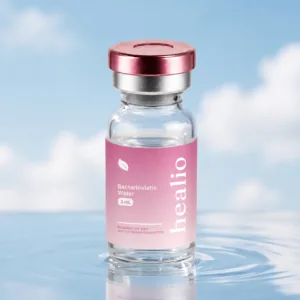
Bacteriostatic Water 10ml
Sterile Reconstitution Water
$9.99SizeAdd to Cart10 mL -
LibidoBest Seller
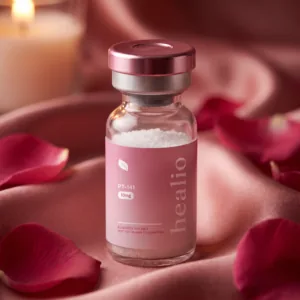
PT-141
Libido + Intimacy Support
$34.99SizeAdd to Cart10mg -
WeightBest Seller
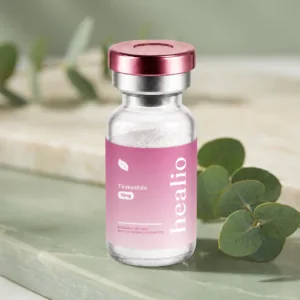
Tirzepatide
Weight + Metabolic Support
From $54.99This product has multiple variants. The options may be chosen on the product pageSizeAdd to Cart -
EnergyBest Seller
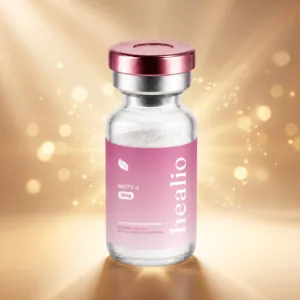
MOTS-c
Metabolic + Mitochondrial Support
$59.99SizeAdd to Cart10mg