

Search for the best peptides for women and you will hit a wall of very confident advice, most of it written by clinics that would love to book you a consultation. It blurs together fast. The same five compounds, the same promises, and almost nothing about what the studies actually measured or where any of the material comes from.
This guide goes the other way. Below is a breakdown of the peptides most commonly researched for the goals women care about, what the published work does and does not support for each, and how to tell a serious supplier from someone repackaging powder in a spare room. That last part is the section nobody else writes, which is odd, because it is the one that decides whether anything else on the page matters.
What are peptides for women, and why the sudden interest?
A peptide is a short chain of amino acids. Proteins are the long chains, peptides are the short ones, and that length is the interesting part: short enough to synthesize precisely, long enough to carry a specific instruction.
The instruction is the whole point. Instead of flooding a system the way a hormone does, a peptide usually signals one narrow thing. Copper peptide tells skin cells to get on with building collagen. GLP-1 compounds signal fullness. That specificity is why labs keep returning to them.
The surge in interest among women is not hard to explain. Women have spent two decades being sold collagen powders, adaptogen blends, and whatever a podcast host mentioned on Tuesday. Peptides at least come with a mechanism you can look up and a body of literature you can read. They are not magic. They do, however, seem to have better PR than kale.
Are peptides different for men and women?
Not chemically. A GHK-Cu molecule is the same molecule no matter who is holding the vial. What differs is the context it lands in: hormonal shifts through perimenopause and menopause, a steeper collagen decline after estrogen drops, different patterns of visceral fat storage, and one inconvenient fact about the literature itself.
Most of the foundational peptide work enrolled male subjects or male animal models.
This annoys me more than it probably should, mostly because the industry papers over it so smoothly. When a clinic says a compound is “great for women,” ask what the claim rests on. Often it rests on a male-dominant study population plus a reasonable-sounding inference. Reasonable inference is a different thing from evidence, and a brand that blurs the two is telling you how it handles everything else.
Where female-specific research does exist, it clusters around skin, hormonal signalling, and metabolic compounds. Those are the areas where the ground is firmest. Whether the rest of the category behaves the same way in women is a question the literature has not answered, and there is no honest way to skip past that.
The best peptides for women, sorted by research goal
Peptides are easiest to think about by what they are being studied for, not by name. Here is how the catalog breaks down.
Skin, hair and collagen: GHK-Cu
GHK-Cu, the copper peptide, has the deepest body of published work of anything in this category. Research covers collagen and elastin synthesis, wound repair, antioxidant activity, and hair follicle signalling. It is the compound behind a great many expensive serums, usually at concentrations low enough to be decorative.
It also carries the most female-relevant data of anything here, which makes it the usual starting point for skin and hair research. Healio stocks it standalone and inside the Glow Stack, alongside the rest of the peptides for skin and beauty range.
Metabolic and body composition: retatrutide, tirzepatide, tesamorelin
This is the loudest corner of the market and the one changing fastest. Tirzepatide is a dual GLP-1 and GIP agonist, studied at scale in the SURMOUNT trials. Retatrutide adds a third pathway, glucagon, and its trial data is newer and thinner but moving quickly. Tesamorelin, a growth hormone releasing hormone analog, has been studied specifically against visceral fat, the deep abdominal kind that tends to accumulate as estrogen falls.
Worth noting: most competing guides on this topic still do not mention retatrutide at all, which tells you how recently the ground moved here. Healio stocks retatrutide, tirzepatide and tesamorelin under peptides for weight loss.
Recovery and inflammation: BPC-157, TB-500, KPV
BPC-157 (Body Protection Compound 157) and TB-500 (a fragment of thymosin beta-4) are the pair researchers most often study together, covering tendon, ligament and soft tissue repair. KPV, a three-amino-acid fragment of alpha-MSH, is the quiet one, studied mainly for inflammatory signalling. Healio stocks KPV alongside BPC-157 and TB-500. It deserves more attention than it gets.
For women this cluster matters more than the marketing suggests. Connective tissue laxity and injury rates differ meaningfully between men and women, and recovery research is one of the few areas where that difference is openly discussed. See peptides for healing.
Energy and focus: MOTS-c, SS-31, selank
MOTS-c and SS-31 both target mitochondrial function, which is the least glamorous and most consequential thing on this list. If the research pans out, it is about cellular energy production rather than stimulation. Selank sits in a different lane, studied for anxiety and cognitive signalling without the sedation profile of older compounds.
Nobody has yet made mitochondria sound exciting in a headline, which may be why this category stays underrated. Healio stocks MOTS-c, SS-31 and selank. Browse peptides for energy.
Longevity and sleep: epitalon, pinealon
Epitalon is studied in relation to telomerase activity and circadian regulation, pinealon for neuroprotective and sleep-related signalling. Both come out of a long Russian research tradition that Western labs have only recently started revisiting seriously, so the literature is real but unevenly translated and easy to overstate. Treat confident claims here with more suspicion than usual. Healio stocks epitalon and pinealon under anti-aging peptides.
Hormonal and libido research: kisspeptin-10, PT-141
Kisspeptin-10 sits upstream in the reproductive hormone cascade and is one of the few peptides with genuinely female-focused research behind it. PT-141 acts on melanocortin receptors and has been studied in relation to sexual response in women specifically, which is rare enough to be notable. Healio stocks kisspeptin-10 and PT-141 under women’s wellness peptides.
Best peptides for women at a glance
| Research goal | Compound | Strength of evidence | Notes |
|---|---|---|---|
| Skin, hair, collagen | GHK-Cu | Strong, decades of work | Best-supported option for skin research |
| Metabolic | Retatrutide, tirzepatide | Strong, large recent trials | Fastest-moving category |
| Visceral fat | Tesamorelin | Moderate, specific | Studied on abdominal fat directly |
| Tendon and soft tissue | BPC-157, TB-500 | Moderate, mostly preclinical | Usually studied as a pair |
| Inflammation | KPV | Emerging | Underrated, small literature |
| Cellular energy | MOTS-c, SS-31 | Emerging | Mitochondrial mechanism |
| Mood and focus | Selank | Moderate | Mostly Russian-origin research |
| Longevity, sleep | Epitalon, pinealon | Mixed, easy to overstate | Read claims here carefully |
| Hormonal signalling | Kisspeptin-10 | Moderate, female-specific | Rare female-focused data |
| Sexual response | PT-141 | Moderate, female-specific | Studied in women directly |
How to buy peptides for women from a supplier you can verify
Here is the part the rest of the internet skips.
Peptides are sold in a market with light oversight, which means the gap between the best and worst suppliers is enormous, and nothing on the outside of the vial tells you which one you are holding. Two products can carry identical labels and identical claimed purity while containing meaningfully different material.
There is exactly one thing that separates them, and it is a certificate of analysis.
A real COA is issued by an independent third-party lab, names the specific batch, and reports purity by a stated method, usually HPLC. It should match the vial in your hand, not a batch from eighteen months ago. And it should be published where anyone can read it before buying, not emailed on request after payment clears.
A blurry screenshot with a logo on it is a rumor with better graphic design.
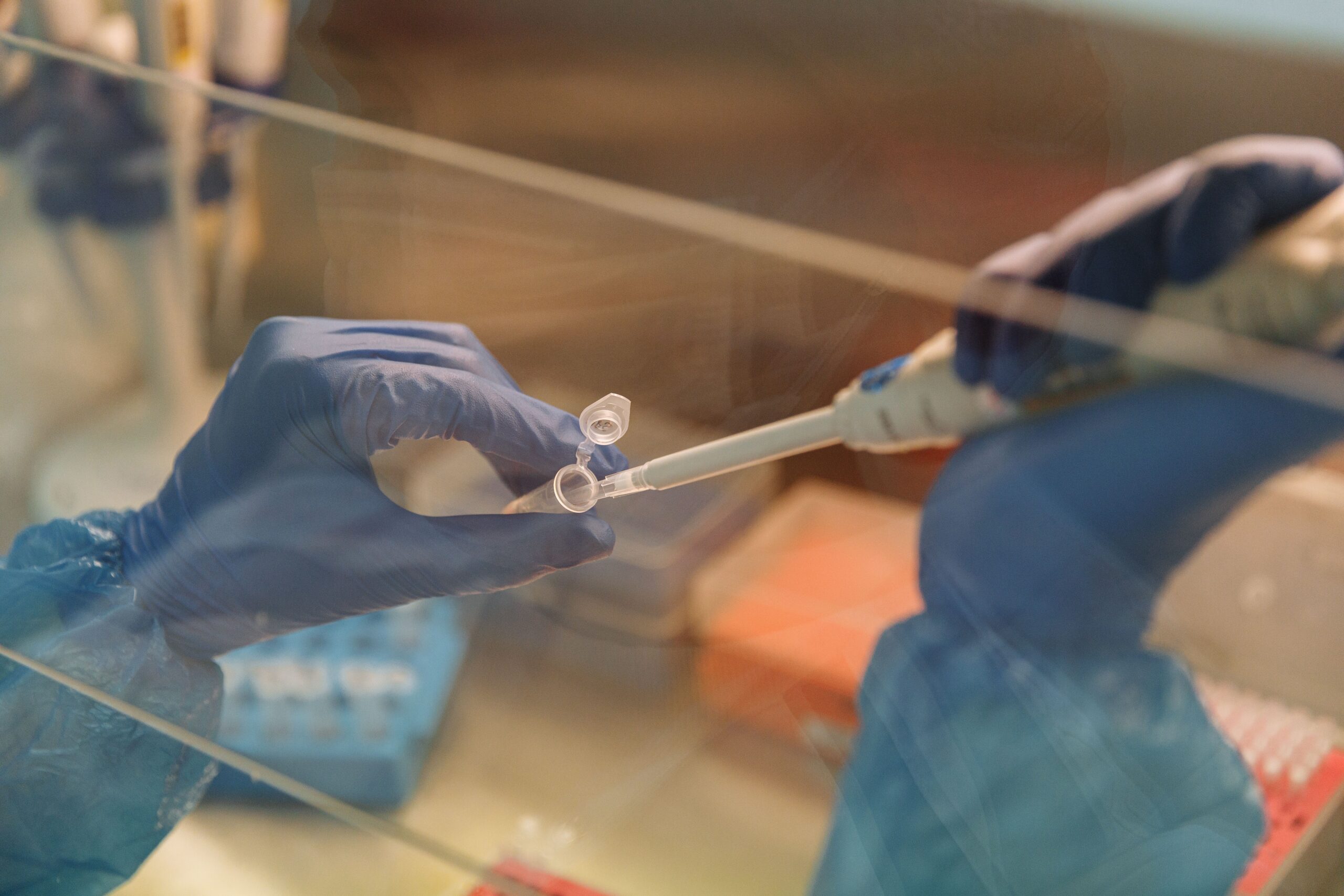
Two things worth understanding about what those documents actually report. The first is that purity and identity are separate questions. HPLC tells you what proportion of the material is the target compound rather than synthesis byproducts. Mass spectrometry confirms the compound is the one on the label at all. A supplier reporting only one of the two has answered half the question, and it is usually the easier half.
The second is that the gap between purity figures is wider than it looks. Moving from 95% to 99% sounds like a rounding difference. In practice it is a fivefold reduction in everything that is not the compound, and in a category where the contaminants are unidentified synthesis residue, that difference is the entire point of testing. Treat a missing decimal place as a missing answer.
Four questions worth asking any supplier:
- Is the COA from a third-party lab? In-house testing is a company grading its own homework.
- Does the batch number on the COA match the vial? If it does not, the document is decorative.
- What purity, by what method? “High purity” is marketing. “98.7% by HPLC” is a number.
- Can you see it before you buy? Suppliers confident in their testing publish it. Healio publishes every batch COA openly at the research page.
What peptide research for women does not show yet
An honest guide has to include this section, so here it is.
The peptide literature is thinner than the marketing implies. A lot of what circulates as established fact traces back to animal models, small sample sizes, or studies that measured something adjacent to what is being claimed. BPC-157 is a good example: genuinely promising preclinical work, frequently described online as though the human trials already happened.
The female data gap is the second problem. For most compounds on this page, the honest answer to “how does this behave differently in women” is that the study you would want does not exist yet.
And timelines are largely guesswork. The question everyone asks is how long something takes, and for most of these compounds nobody has run the study that would answer it in any specific population.
The category still has real substance in it. But the confident version you read elsewhere is doing something the evidence cannot support, and knowing which claims rest on what is most of the work.
Where to buy research peptides for women
If you are mapping out research, the useful order is goal first, compound second, supplier third. Most people run it backwards, starting from whichever compound they heard about most recently.
Every batch Healio ships is tested by an independent lab, and every certificate is published openly at our research page before you buy rather than after. Women’s wellness peptides covers the hormonal and libido research, and peptides for skin and beauty covers the best-evidenced category on this page.
Peptides for women: frequently asked questions
What do peptides do for women?
Peptides act as signalling molecules, each one carrying a fairly specific instruction to a cell. In research relevant to women, the most studied effects involve collagen and skin structure (GHK-Cu), metabolic and appetite signalling (the GLP-1 family), tissue repair (BPC-157, TB-500), and reproductive hormone signalling (kisspeptin-10). Effects vary substantially by compound.
What peptides are good for women?
The compounds with the strongest female-relevant research behind them are GHK-Cu for skin and hair, kisspeptin-10 and PT-141 for hormonal and sexual-response research, tesamorelin for visceral fat, and the GLP-1 compounds for metabolic work. Compounds with thinner or male-dominated data should be treated more cautiously.
Are peptides safe for women?
Safety questions belong with a qualified clinician who knows the individual situation, and no article can answer them responsibly. What a supplier can speak to is material quality: whether the compound is what the label says, at the purity claimed, verified by an independent lab. That is the part a published COA settles.
What is peptide therapy for women?
“Peptide therapy” describes clinic-administered protocols, typically prescribed and supervised. It is a different thing from research-grade peptides, which are sold as laboratory materials and not for personal use. The terms get used interchangeably online, which causes a lot of confusion and occasionally worse.
Can women take peptides for muscle growth?
Muscle and recovery research in this category focuses mainly on BPC-157 and TB-500 for tissue repair rather than on growth directly. Most of that work is preclinical, and most of it did not study women specifically. It is one of the weaker evidence areas despite being one of the loudest marketing ones.
Related reading
- Peptides for Weight Loss for Women: the metabolic compounds in depth
- Best Peptides for Anti-Aging: the four compounds that survive scrutiny
- Best Peptide Companies in 2026: how to judge any vendor, including us
- BPC-157 and TB-500: the recovery pair, and the combination study nobody has run
- Peptides for Perimenopause: the transition, and the evidence that exists
Research use only. Every compound referenced on this page is supplied strictly for laboratory research. Nothing here is dosing guidance, and you will not find administration instructions anywhere on this site. These materials are not for human consumption, have not been evaluated by the FDA, and nothing here is medical advice. Consult a qualified healthcare professional for questions about your own health.